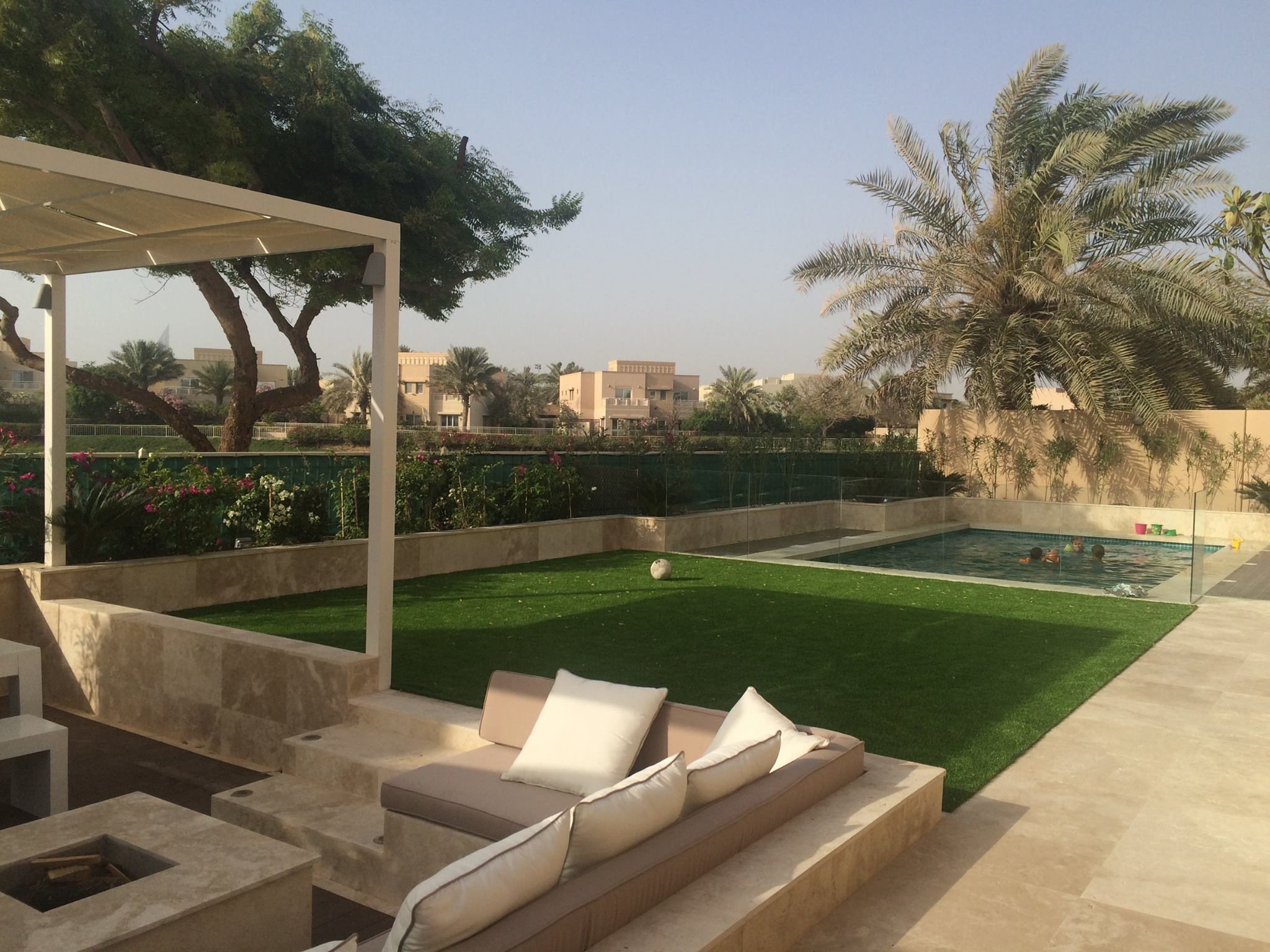
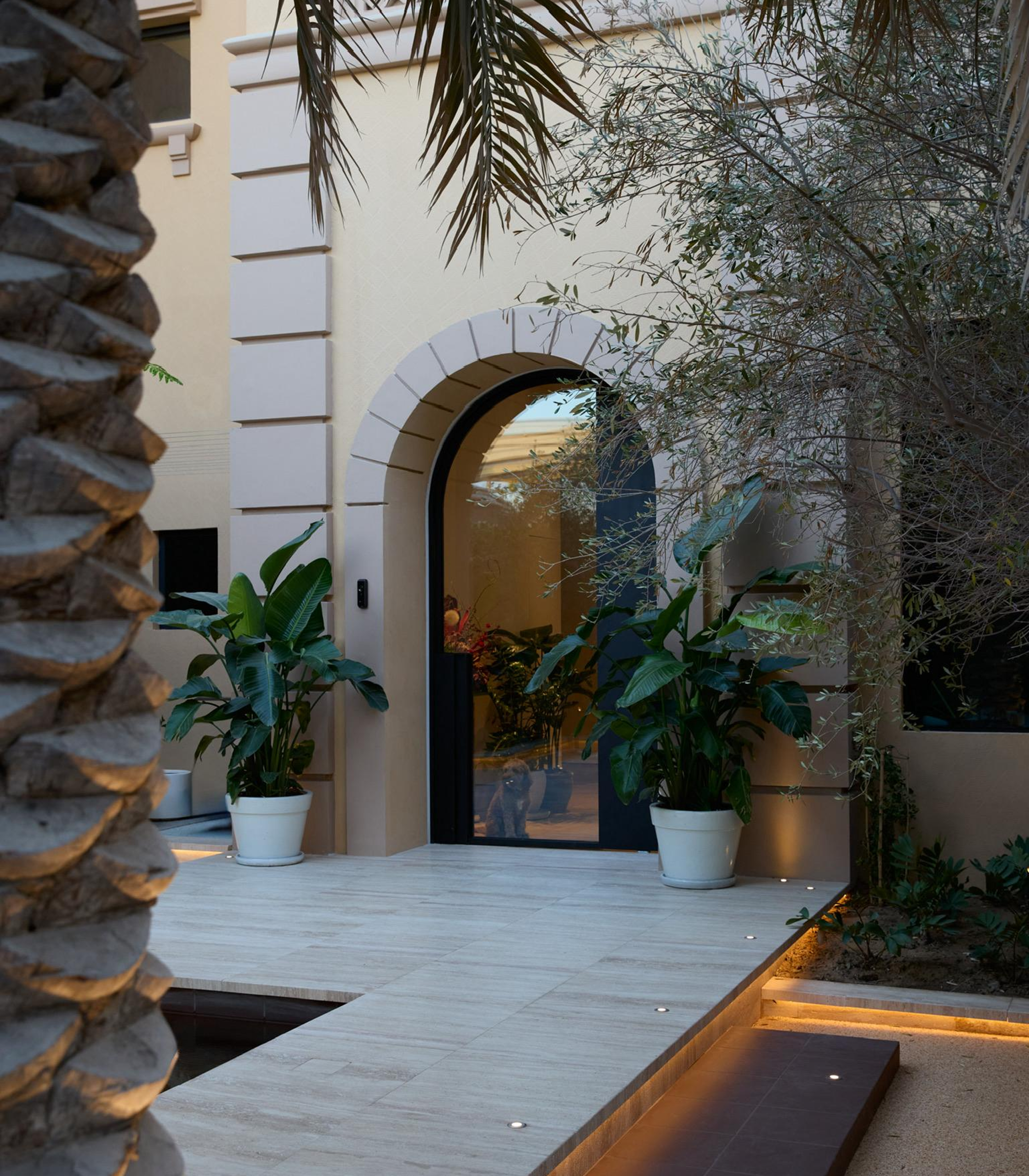
Do you have any idea about how sustainable landscaping can transform the appearance and value of a property, financially, environmentally, functionally and emotionally?
Green Design Adds Lasting Curb Appeal
The exterior of a property is the first thing that grabs attention. Curb appeal in the form of a sustainable landscape. Teetering on balance, biodiversity and good design, the beauty it adds to your property over time is definitely worth investment. A radical departure from lawns that need frequent and extensive upkeep, sustainable landscaping refers to using native plants, as well as drought-tolerant plants (and other natural materials), which flourish without constant attention.
This means that your landscape looks lush all year, without heavy watering or typical chemical fertilizers. For prospective buyers or renters, a home with sustainable, low-maintenance landscaping indicates quality and attention to detail.
The reflection might look fine, but in the real estate market, land of first impressions that are often visually refined to an emotional poke point, a reflected light shard might pass unnoticed on a bathroom mirror or not be glossy enough when it happens. And a beautifully designed sustainable exterior says you care, that your property has value and that its owner is environmentally conscious.
Lower Maintenance, Higher Returns
Conventional landscape typically requires high maintenance, water applications, mowing and pesticide application. These are the costs we all pay for. Smart plant choices, low-input design and natural irrigation systems are just some of the advantages offered by sustainable landscaping that promote cost-savings.
Native plants, for example, have adaptations to high salt levels in the area. They require less water, are resistant to pests and grow without chemical fertilizers. The savings add up in just a few years.
A property that SAVES its owner time and money has more long-term value. Lower maintenance costs mean higher net operating income, an important metric for valuing both residential and commercial property.
It’s not just that sustainable landscaping drives down expenses; it also boosts profit margins.
Natural Shade and Energy Efficiency
Landscaping is a simple and yet highly effective tool for controlling energy. Strategically planting trees, shrubs and vines can cut down on heat gain during the summer and provide protection from cold winds in winter.
For example, deciduous trees shade during hot months and let sunlight in during winter. Bushes and shrubs placed close to walls, for example, can act as natural insulation for structures and take some of the load off heating and cooling systems.
A study of actual homes built from EcoSmart designs reveals that this green home can reduce energy costs by 25%. As the years progress, those reduced utility bills add up to major savings, and that’s money you can capture when it’s time to sell.
Energy-conscious landscapes also appeal to a growing number of modern buyers who value sustainable living; therefore, the property will be more appealing in a competitive market.
Smarter Water Management
Water is one of the biggest expenses in property upkeep, especially in regions with dry climates. Sustainable landscaping prioritizes conservation through design techniques such as drip irrigation, rainwater harvesting, and permeable pavements.
Drip irrigation systems deliver water directly to the roots, reducing evaporation. Rain gardens collect runoff, allowing water to soak back into the ground and nourish plants naturally. Permeable paving materials prevent flooding and improve soil health.
These smart solutions help reduce water bills, prevent erosion, and contribute to regional water sustainability, all while maintaining a beautiful outdoor environment.
For municipalities and buyers, such systems demonstrate foresight and responsibility, translating directly into higher perceived value.
Healthier Ecosystems, Happier People
Sustainable landscapes don’t just benefit properties, they restore balance to the environment. Native plants attract pollinators like bees and butterflies, while diverse flora supports local wildlife. The result is a self-sustaining ecosystem that improves air quality, supports biodiversity, and enriches soil health.
Beyond environmental benefits, these spaces have a direct impact on human well-being. Research shows that green environments reduce stress, improve mood, and enhance productivity.
For commercial properties, this means happier employees and clients. For residential areas, it means families who genuinely enjoy their surroundings. That emotional connection increases desirability, and, ultimately, resale value.
Durability Against Climate Impact
Sustainable landscaping helps us get ready for a shifting climate. With an emphasis on soil health, optimal drainage, and native plant choices, it also minimizes erosion, water damage or drought losses.
Resilient properties also fare better in extreme weather, and that’s going to matter more as the climate becomes less predictable. Both buyers and investors are learning to value that resilience.
In other words, a sustainable landscape isn’t just attractive — it safeguards the property’s physical and financial future.
Sustainability as a Market Differentiator
Environmental-minded buyers are remaking the real estate landscape. Homes and commercial properties designed to have sustainable elements, like solar panels or green gardens, sell for higher prices and less time to market.
Green landscaping is actually one of the primary distinctive factors between you and your competitor. It brands a building as progressive, green and cheap.
Buyers aren’t simply buying land; they’re investing in a lifestyle. Homes and businesses that are sited in the midst of greenery and biodiversity provide a feeling of calm, improved quality air, and a sense of being close to nature. These non-quantifiable benefits are emotionally powerful and impact decisions well beyond a balance sheet number.
Government Incentives and Regulations
Incentives and rebates have become widespread enticements offered by many cities and municipalities toward green infrastructure. The presence of these types of features, and many more, make a property eligible for certain tax incentives, water rebates or LEED credit certification.
These inducements help alleviate possible front-end costs and increase the property’s long-term market value. On the downside, areas with more stringent water-use and sustainability regulations could penalize property that didn’t adhere to them.
With a purchase of sustainable landscaping today, property owners are investing in the long term, protecting their assets from policy and regulation changes that prevent costly retrofits down the road.
Sustainable Hardscaping Adds Architectural Value
Landscaping isn’t limited to plants. Elements such as pathways, patios and retaining walls fall within this category of hardscaping, which have a significant impact on the function and style of your property. These elements are not only durable but also eco-efficient when constructed from sustainable materials like recycled stone, reclaimed wood, or permeable concrete.
In addition to extending your home’s style into the outdoors, sustainable hardscaping can help effectively manage stormwater. It creates usable outdoor spaces that extend living areas, which buyers perceive as high-value amenities.
From a shaded stone walkway to a recycled-timber deck, these outdoor spaces are intelligently designed and built to function as well as look good, creating livable, welcoming spaces with a strong sense of place that already have added value in real dollars.
Professional Design and Long-Term Planning
While the principles of sustainable landscaping are universal, achieving harmony between aesthetics, function, and ecology requires expertise. Collaborating with professionals who specialize in integrated design and construction ensures your vision translates into lasting value.
A trusted team offering Design Build Services can help you bring your sustainable landscape to life, from concept to completion. This approach ensures that environmental considerations, structural integrity, and design goals align seamlessly.
Through cohesive planning, you not only enhance your property’s sustainability but also maximize its long-term market potential.
Emotional and Financial Return
Sustainability isn’t just something you drape yourself in as an environmental statement, it’s also a potentially lucrative investment strategy. Homes with sustainable yard spaces consistently prevail over those that are conventional in terms of the long-term value, low costs and buyer attractiveness.
But the most powerful benefit is less tangible than money. It’s about providing spaces where people love to be. Gardens that breathe, patios to welcome and greenery to heal.
When a landscape is in sync with nature, it grows something more than just plants: value, joy and legacy.
Green building technologies are no longer optional upgrades, and sustainable landscaping is rapidly becoming the required standard for high-value properties. It increases curb appeal, lowers maintenance costs, saves energy and enhances long-term sustainability.
It’s a living, growing investment that adds richness to your environment and to your bottom line.
Whether you’re creating a private home or developing commercial property, sustainable landscaping means your property will flourish in three key ways: financially, aesthetically and environmentally.
By partnering with professionals offering Design Build Service Company, you can transform any outdoor space into a model of beauty, sustainability, and value that stands the test of time.